
Thoughts
Your go-to resource for insights on leveraging market intelligence tools, enhancing AI conversations, and optimizing lead generation software. Dive into expert articles and practical tips designed to help you navigate the evolving landscape of AI-driven business strategies.
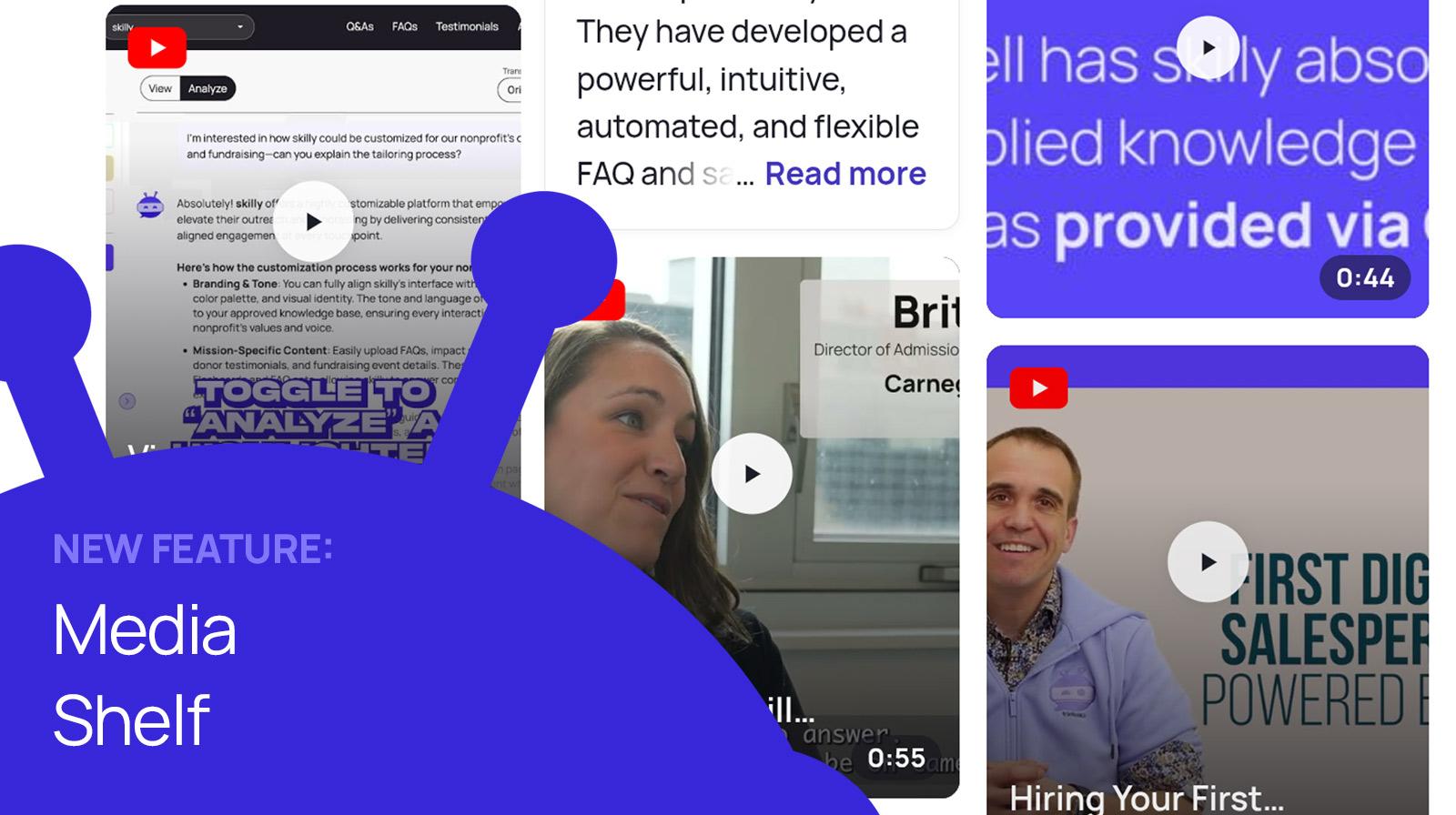
New Feature: Media Shelf
Now, when anyone asks your skilly a question that could be more effectively answered by video or social content, skilly presents it. Not merely as a link out to the content, but right inline with the conversation as a direct answer.
Read article
AEO & The Importance Of Being The Source
We recently talked about the increasing likelihood that your prospective students are getting their first impression of your school through a conversation with ChatGPT. Today, we’re going to focus on the importance of ensuring your university’s web properties are the primary sources cited in that conversation, as studies find AI traffic referral increasing a whopping 722% over last year.
Read article
Your Next Applicant Asked ChatGPT About You First; Do You Know What It Told Them?
Families aren't looking for a substitute for the institution's voice. They are looking for that voice, in the places where they now ask their questions. The opportunity for enrollment and marketing teams is distribution: carrying the institution's own approved answers, in its own words, into this new territory at the speed families are moving.
Read article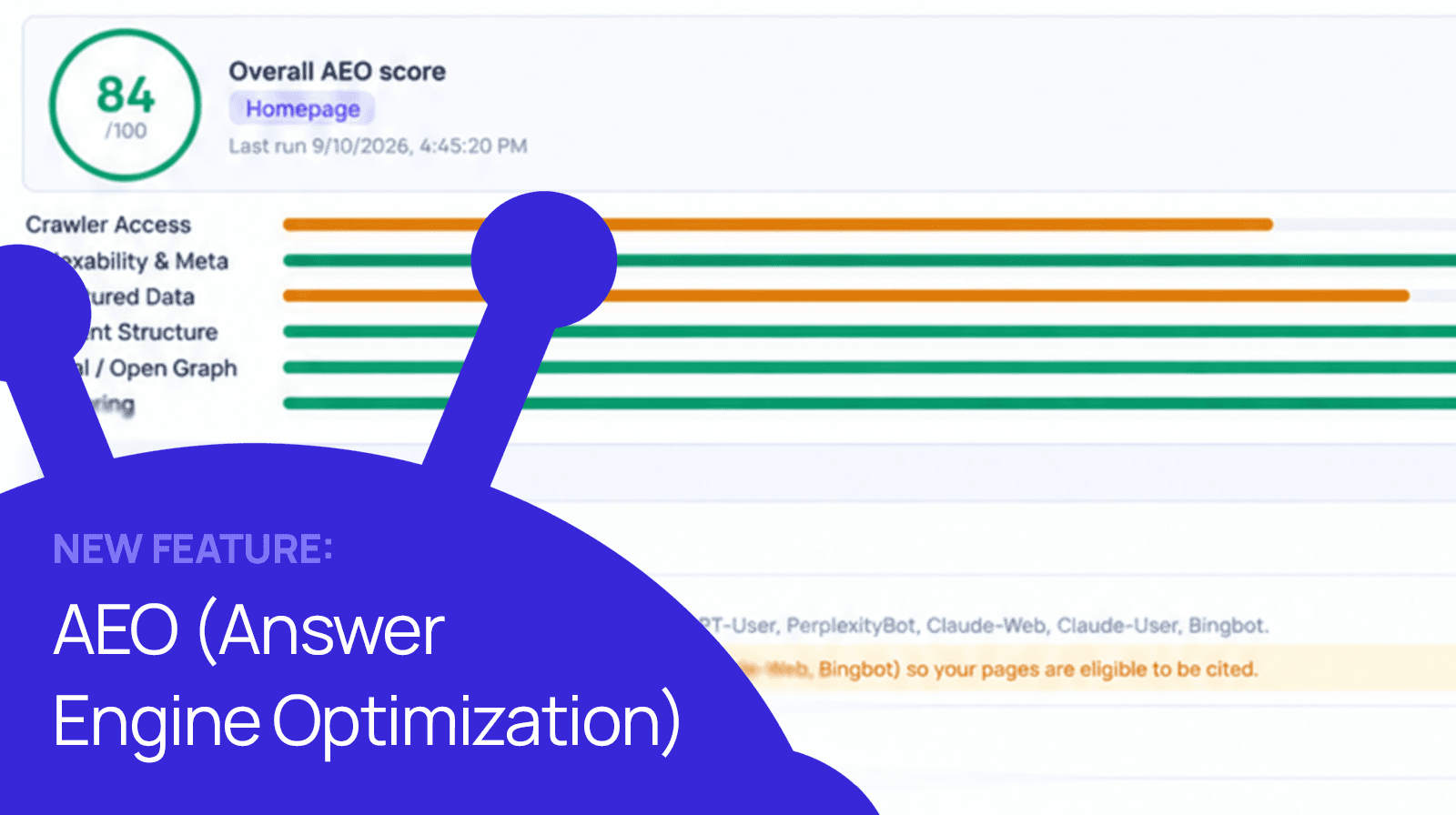
New Feature: AEO (Answer Engine Optimization)
It’s not surprising to learn that the majority of internet queries now produce AI-generated responses. What may be less immediately apparent is the fact that any query happening on ChatGPT, Claude, Google, etc. is wholly within that platform’s control to answer however it sees fit, whether it’s fair to your institution or not. Managing that opportunity is known as AEO: Answer Engine Optimization.
Read article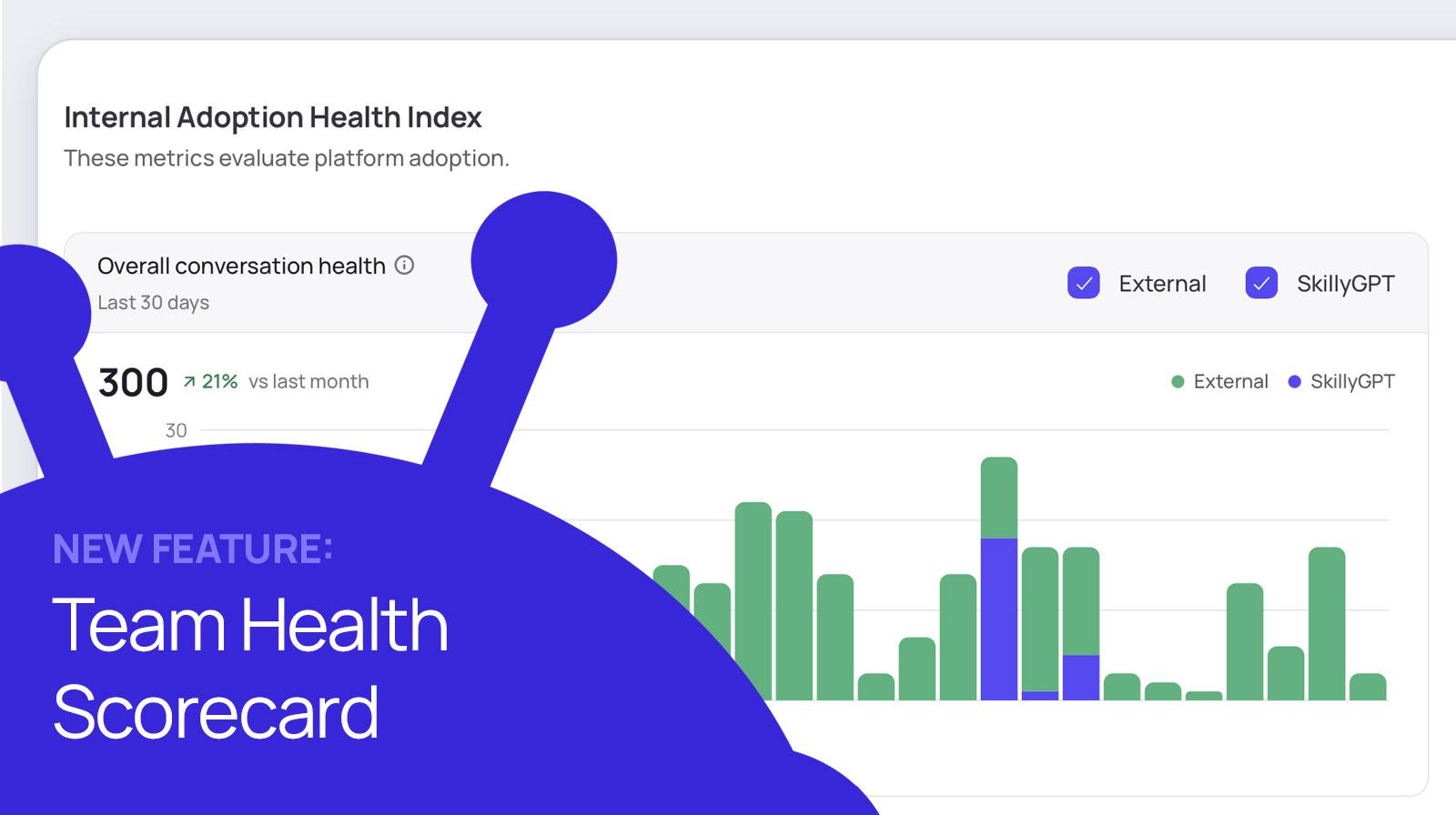
New Feature: Team Health Scorecard
Like any teammate, you should be able to evaluate the activities and outcomes of your skilly in order to measure its impact and, if that impact is deemed valuable, find opportunities to expand its role. We've now made that evaluation even easier with the introduction of the Team Health scorecard.
Read article
The Next Wave Of Adult Learners Is Navigating Certainty
The convergence that interests me right now is that an enormous number of adults, feeling listless in their career paths, are turning their attention back to formal education. It's not just about upskilling and credentialing, but about taking refuge in long-standing American institutions to weather trending economic and technological storms.
Read article
Higher Ed Is Losing International Students At The Digital Doorstep, Not Just The Border
I probably don’t need to expound on the patchwork policy-driven crisis universities are facing with international student populations: if you work in higher ed, you’re already knee-deep in the struggle to recoup the academic and economic enrichment lost by the steepest international enrollment drop on record. And from the looks of it, the 2027 semesters are going to drag institutions down even deeper. What I will call out, as both a professor and conversational AI startup founder, is that many universities trying to address this student shortage are making one of the same fundamental mistakes that high-growth companies make:
Read article
Universities Are the Pinnacle of Human Scale; Why That Matters in the AI Age
Human scale isn't about size. A university with 40,000 students can still operate at human scale, and a five-person startup can lose it entirely. Human scale is about whether the systems inside an organization are legible and palpable to the people who depend on them. Can a first-generation student figure out how to register for the right class? Can a faculty member understand why a policy exists? Can a provost trace a decision back to the values that produced it?
Read article
Why AI’s "Move Fast and Break Things" Won't Fly In Higher Ed
There's a piece of startup advice so embedded in tech culture, it barely earns debate anymore: “move fast and break things” (and, quiet part out loud: “ask forgiveness later”). It's produced some remarkable companies, within the safe space of merely breaking beta release code that does little more than raise a few clients’ eyebrows.
Read article